Why Tennessee homeowners face this common renovation dilemma
When it comes to tile installation in Tennessee homes, I’ve seen homeowners wrestle with a common dilemma: should you hire a professional tile contractor or tackle it as a DIY project? As someone who’s worked on countless tile projects across Tennessee, I understand the appeal of saving money with a DIY approach. However, there’s much more to consider when deciding what’s best for your Tennessee home. The unique climate conditions, architectural styles, and even the local building codes in our state can significantly impact tile installation projects and their longevity.
Let me walk you through what you need to know about hiring a local tile contractor versus going the DIY route for your Tennessee home renovation. This decision isn’t just about your budget—it’s about ensuring your home improvements stand the test of time in our specific regional conditions.
Understanding the Tennessee Difference in Tile Installation
Climate Considerations for Tennessee Tile Projects
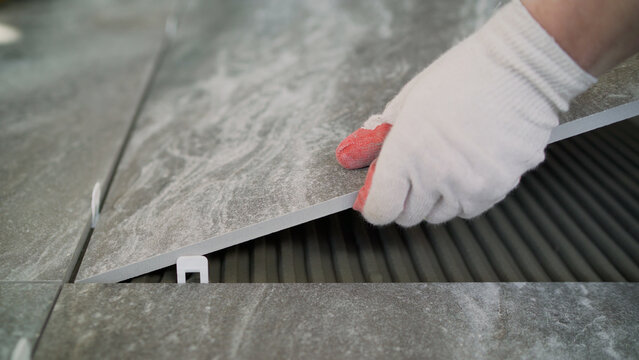
Tennessee’s climate presents unique challenges for tile installation that many homeowners don’t initially consider. Our hot, humid summers and occasionally freezing winters create expansion and contraction cycles that can affect tile adhesion and grout integrity.
In my years installing tile across the state, I’ve seen DIY jobs fail prematurely because they didn’t account for these climate factors. Professional contractors understand how to select materials and installation methods that accommodate our state’s specific weather patterns.
For outdoor tile installations, this becomes even more critical. Patios, walkways, and pool decks in Tennessee need proper substrate preparation and expansion joints to prevent cracking when temperatures fluctuate between our seasons.
Regional Style Trends in Tennessee Homes
Tennessee homes have distinct architectural characteristics that influence tile selection and installation approaches. From historic homes in Nashville and Knoxville to modern new builds in Memphis and Chattanooga, each region has its own aesthetic preferences.
I’ve noticed that East Tennessee homeowners often prefer traditional, classic tile designs that complement the mountain and craftsman-style homes common in that region. Middle Tennessee tends toward a blend of traditional and contemporary styles, while West Tennessee embraces more diverse design influences.
A local tile contractor brings valuable knowledge of these regional styles and how certain tile selections can enhance your home’s value within your specific Tennessee market. This regional expertise is something you simply can’t get from general DIY tutorials online.
The Real Costs: DIY vs. Professional Tile Installation
Breaking Down the True DIY Expenses
When calculating the costs of a DIY tile project, many Tennessee homeowners focus solely on materials and overlook several hidden expenses. Let’s look at what typically goes into a DIY tile project budget:
- Tile materials (including 10-15% extra for cuts and breakage)
- Setting materials (thinset, adhesives, grout)
- Specialized tools (tile saw, spacers, trowels, grout floats)
- Substrate preparation materials (backer board, waterproofing membranes)
- Protective gear (knee pads, gloves, eye protection)
- Disposal costs for demolition debris
- Potential repair costs if mistakes occur
I’ve consulted with many Tennessee homeowners who initially thought they’d save significantly with DIY, only to discover these cumulative costs approached professional installation prices—especially when factoring in the value of their time.
The Value Proposition of Professional Installation
Professional tile installation in Tennessee typically costs more upfront than DIY, but the value equation changes when you consider several factors:
- Time savings (what could take you weeks might take professionals days)
- Access to trade discounts on materials (sometimes offsetting labor costs)
- Warranty protection on both materials and workmanship
- Professional-grade tools and equipment that ensure precision
- Expert knowledge of Tennessee building codes and requirements
- Long-term durability that prevents premature replacement costs
- Increased property value from professional-quality finishes
Long-Term Financial Implications
The financial calculation extends beyond immediate installation costs. In Tennessee’s housing market, quality tile work can significantly impact resale value, especially in kitchens and bathrooms.
Improperly installed tile may lead to water damage—a particular concern in our humid climate. I’ve seen simple DIY mistakes lead to thousands in structural repairs when moisture penetrates behind shower tiles or under floor installations.
Professional installation typically delivers a longer lifespan for your tile project, spreading the initial investment over many more years of service and resulting in better long-term value for Tennessee homeowners.
Skill Assessment: Do You Have What It Takes for DIY Tiling?
Essential Skills for Successful DIY Tile Projects
Before deciding to tackle a tile project yourself, honestly assess whether you possess these fundamental skills:
- Precision measurement and cutting capabilities
- Understanding of proper substrate preparation techniques
- Knowledge of appropriate materials for different applications
- Experience with specialized tools and their safe operation
- Patience and attention to detail for consistent spacing and alignment
- Physical endurance for long periods of kneeling and precise work
- Problem-solving abilities for addressing uneven surfaces and obstacles
In my experience, the most successful DIY tilers in Tennessee are those who have previous construction experience or have invested time in hands-on learning before starting their project.
Common DIY Pitfalls in Tennessee Homes
I’ve been called to rescue many DIY tile projects in Tennessee homes. Here are the most common mistakes I encounter:
- Inadequate subfloor preparation leading to cracked tiles
- Improper waterproofing in wet areas, especially critical in our humid climate
- Incorrect thinset application resulting in hollow-sounding tiles
- Poor layout planning leading to awkward tile cuts in visible areas
- Grout consistency problems causing discoloration and crumbling
- Failure to account for expansion needs in Tennessee’s variable climate
- Ignoring levelness issues that become magnified with larger format tiles
These mistakes aren’t just aesthetic concerns—they often lead to functional problems that require complete removal and reinstallation.
When DIY Makes Sense (And When It Doesn’t)
DIY tiling can be appropriate for Tennessee homeowners in certain scenarios:
- Small, low-traffic areas like laundry rooms or closets
- Simple patterns with standard-sized tiles
- Areas where imperfection won’t significantly impact home value
- Projects where you have ample time and aren’t under deadline pressure
- When you have previous successful tiling experience
However, I strongly recommend professional installation for:
- Shower enclosures and bathroom wet areas
- Large format tile installations
- Complex patterns like herringbone or intricate mosaics
- High-visibility areas like entryways and kitchen backsplashes
- Homes you’re preparing to sell where quality affects value
- Projects with tight completion deadlines
The complexity of the project should guide your decision as much as budget considerations.
Living Through the Project
Many Tennessee homeowners underestimate how disruptive tile installation can be to daily life. Bathrooms become unusable, kitchens can’t be fully accessed, and dust control becomes challenging.
Professional installation minimizes this disruption through efficient workflows and proper containment practices. For families with young children or those working from home—increasingly common in Tennessee—this reduced disruption can be worth the additional cost of hiring professionals.
Quality and Durability Factors
Tennessee-Specific Durability Concerns
Our Tennessee climate creates specific durability challenges for tile installations:
- Humidity fluctuations that test adhesive bonds
- Temperature swings that can stress grout joints
- Seasonal foundation movements common in many Tennessee soil types
- Heavy rain exposure for outdoor installations
- Freeze-thaw cycles in higher elevations and northern parts of the state
Professional tile contractors understand these regional factors and implement appropriate techniques to ensure long-lasting installations. This includes proper expansion joints, specialized setting materials, and installation methods adapted for our local conditions.
The Technical Aspects of Quality Installation
Quality tile installation involves numerous technical considerations that professionals handle routinely:
- Proper substrate assessment and preparation
- Appropriate waterproofing systems for wet areas
- Correct thinset selection and application techniques
- Precision layout and pattern alignment
- Consistent joint spacing and depth
- Proper mixing and application of grout
- Appropriate sealing for Tennessee’s humidity conditions
Each of these elements requires specific knowledge and techniques that take professionals years to master. Even minor mistakes in these areas can lead to premature failure or unsatisfactory appearance.
Warranties and Guarantees
This is an area where professional installation offers clear advantages for Tennessee homeowners. Most reputable tile contractors provide:
- Workmanship warranties (typically 1-5 years)
- Assistance with manufacturer material warranty claims
- Documentation of proper installation for home sale purposes
- Accountability for any issues that develop
DIY installations typically have no warranty beyond any manufacturer material guarantees, which often become void if installation instructions weren’t precisely followed. This leaves Tennessee homeowners fully responsible for any remediation costs.
Getting the Right Materials
Navigating Material Selections for Tennessee Conditions
Material selection becomes particularly important in Tennessee due to our climate. Professional contractors can guide you toward appropriate choices:
- Porosity ratings suitable for specific applications in our humid environment
- Slip-resistance ratings for outdoor installations exposed to Tennessee weather
- Frost-resistant options for external applications in areas experiencing freezes
- Appropriate setting materials that accommodate seasonal movement
I’ve seen many DIYers select beautiful tiles that were fundamentally unsuitable for their intended Tennessee applications, leading to premature failure and disappointment.
Access to Specialty Products
Professional tile contractors have access to specialty products that can dramatically improve installation quality and longevity in Tennessee conditions:
- Advanced waterproofing systems
- Premium setting materials with flexibility for seasonal movement
- Commercial-grade sealers appropriate for our humidity levels
- Specialized tools for perfectly even installations
These professional-grade products often aren’t available in retail stores or require contractor accounts to purchase, putting them out of reach for most DIYers.
Material Waste Considerations
Professional installers typically generate significantly less waste than DIY projects due to:
- Accurate estimation of needed materials
- Skilled cutting techniques that maximize usable pieces
- Experience with pattern layouts that minimize odd cuts
- Proper handling that reduces breakage
This efficiency not only reduces environmental impact but also saves on material costs—professionals typically need only 5-10% overage compared to the 15-20% recommended for DIY projects.
Local Code Compliance and Permits
Tennessee Building Codes Affecting Tile Installation
Many Tennessee homeowners aren’t aware that tile installations can involve building code considerations, particularly in:
- Shower waterproofing requirements
- Proper transitions between flooring materials
- Appropriate backing materials for wet areas
- Clearance requirements for fixtures and features
- Slip resistance standards for commercial applications
These regulations vary by municipality across Tennessee, and professional contractors stay current with local requirements that affect your project.
When Permits Are Required in Tennessee
Depending on your location in Tennessee and the scope of your project, permits might be required for:
- Bathroom renovations involving plumbing changes
- Structural modifications related to tile installation
- Commercial property renovations
- Certain outdoor hardscaping projects
Professional contractors handle permit acquisition and inspections as part of their service, ensuring your project meets all legal requirements. DIYers must navigate this process themselves, which can be confusing and time-consuming.
Insurance and Liability Considerations
This is an often-overlooked aspect of the DIY vs. professional decision. Consider these insurance factors:
- Professional contractors carry liability insurance to cover any potential property damage
- Workers’ compensation coverage protects you from liability for job-site injuries
- Some homeowner’s insurance policies may not cover damages resulting from DIY renovations
- Professional installation documentation may be required for insurance claims related to water damage
These protections provide significant peace of mind and financial security that DIY projects simply can’t match.
Making the Final Decision
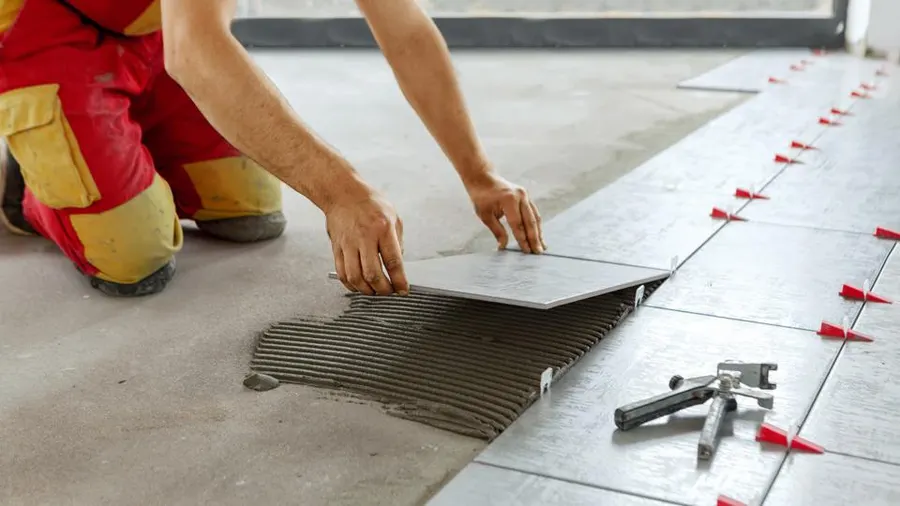
Questions to Ask Yourself Before Deciding
Before making your final decision between DIY and hiring a professional for your Tennessee tile project, ask yourself:
- How visible and important is this installation to my home’s value?
- Do I truly have the skills and tools needed for quality installation?
- Can I afford the time commitment required for a DIY approach?
- How would I handle unexpected complications during the project?
- Am I prepared for the possibility of having to redo the work if problems occur?
- How important is having warranty protection for this installation?
- Does my homeowner’s insurance cover DIY renovation issues?
- Will this installation need to withstand Tennessee’s specific climate challenges?
Your honest answers to these questions will often clarify which approach makes the most sense for your situation.
Finding the Right Professional Tile Contractor in Tennessee
If you’re leaning toward professional installation, here’s how to find a qualified tile contractor in Tennessee:
- Look for specialists with proven tile experience, not just general contractors
- Check online reviews specifically mentioning tile work quality
- Ask for references from similar projects in your area of Tennessee
- Verify proper licensing and insurance coverage
- Review detailed portfolios of previous work
- Request a detailed written estimate outlining all aspects of the project
- Ask about specific experience with your chosen tile type and installation pattern
Taking time to find the right professional significantly increases the likelihood of a successful project outcome. [INTERNAL LINK OPPORTUNITY: Contact us for a free tile project consultation]
Hybrid Approaches Worth Considering
Some Tennessee homeowners find success with hybrid approaches:
- Hiring professionals for complex preparation work, then DIY tile setting
- DIY tile setting with professional grout application (where many DIY projects fail)
- Professional installation in critical areas (showers, main floors) with DIY in secondary spaces
- DIY installation with professional consultation at key stages
These approaches can provide cost savings while still ensuring quality in the most critical aspects of the installation.
Conclusion
After weighing all these factors, the decision between DIY and hiring a local tile contractor for your Tennessee home comes down to balancing several considerations: your skill level, budget, timeline, the project’s complexity, and how important long-term durability is for the specific area.
For many Tennessee homeowners, the peace of mind that comes with professional installation ultimately outweighs the potential cost savings of DIY—particularly for visible, high-traffic, or moisture-prone areas. The unique challenges of our Tennessee climate make professional knowledge especially valuable for ensuring your tile installation stands the test of time.
Whether you choose to hire a professional or take the DIY route, proper research and preparation are key to a successful tile project. If you’re considering professional installation for your Tennessee home, Elite Tile and Flooring is here to provide a consultation to discuss your specific needs and how we can help create a beautiful, lasting tile installation that enhances your home’s value and your enjoyment of the space.