Setting the Stage for Tennessee Kitchen Transformations
After spending years as a professional tile installer in Tennessee, I’ve noticed something interesting happening in 2026. Homeowners are finally moving away from the quick-trend mentality and instead focusing on backsplashes that will look beautiful and function perfectly five, even ten years down the road.
This thoughtful approach is understandable. While a backsplash alone isn’t a major remodel, it can significantly elevate how a kitchen is perceived by potential buyers. Real estate experts consistently rank kitchens among the top drivers of resale appeal, and a clean, well-designed backsplash helps create a polished, updated look buyers are willing to pay more for. For homeowners across Columbia and nearby Tennessee communities, this kind of strategic upgrade offers a smart balance of visual impact, affordability, and long-term value.
In this guide, I’m sharing the top backsplash trends I’m actually installing in Tennessee homes right now. These aren’t just pretty pictures from design magazines—they’re real selections from real homeowners who care about both aesthetics and long-term value.
Why Tennessee Homeowners Are Choosing Different Backsplashes in 2026
I’ve noticed a fundamental shift in how homeowners approach their backsplash decisions this year. Instead of asking “what’s trendy right now,” they’re asking “what will still look good in five years and hold up to daily use?”
This practical mindset reflects the broader economic awareness many Tennessee families have developed. They’re treating their kitchen renovation as an investment rather than a decorating project, and that changes everything about material selection and design choices.
What backsplash trends are popular in Tennessee in 2026? Tennessee homeowners are choosing timeless materials like glazed subway tiles, textured porcelain, and natural stone in warm neutral tones. They’re prioritizing durability, easy maintenance, and classic layouts that complement both traditional and modern kitchen styles common in our region.
Our state’s unique climate also plays a bigger role than many people realize. Tennessee’s humidity fluctuations and temperature changes mean I always recommend materials that won’t crack, warp, or develop mold issues over time. As a tile contractor Columbia Tennessee, I’ve seen what happens when homeowners choose materials better suited for Arizona’s dry climate—it rarely ends well here.
The open-concept layouts that dominate newer Tennessee construction have made backsplashes more visible than ever before. Your backsplash isn’t just a functional element anymore—it’s a focal point visible from your living room, dining area, and entryway in many homes.
The Top Tile Materials in Tennessee Kitchens Right Now
Let me break down the materials I’m working with most frequently and why they make sense for our local conditions. Understanding these differences will save you from costly mistakes and future regrets.
Porcelain: The Workhorse of Tennessee Kitchens
Porcelain has become my most recommended material for kitchen tile installation Columbia Tennessee, and for good reason. It’s incredibly dense, resistant to moisture absorption, and handles our temperature swings without complaint.
I’m installing a lot of porcelain that mimics natural materials—everything from marble to wood grain. The technology has improved so dramatically that most people can’t tell the difference until I point it out, but they get the durability benefits without the maintenance headaches.
The practical advantages matter for daily kitchen use. Porcelain won’t stain when tomato sauce splatters during your pasta night, and it won’t etch when lemon juice drips during meal prep. For busy Tennessee families who actually cook at home, this resilience is invaluable.
Ceramic: The Classic Choice That Still Delivers
Ceramic remains popular, especially glazed ceramic subway tiles that have stood the test of time. As a kitchen tile installer TN, I appreciate that ceramic offers excellent value without sacrificing quality or appearance.
The glazed finish on ceramic tiles provides a protective barrier that’s easy to clean and maintains its appearance for decades. I’ve seen twenty-year-old ceramic backsplashes that still look fantastic with basic care.
Ceramic works particularly well for homeowners working within a budget who still want professional results. The material itself costs less than porcelain, but when installed correctly by tile installation services Tennessee professionals, it delivers comparable longevity and beauty.
Natural Stone: When You Want Authentic Character
I’m seeing renewed interest in natural stone, particularly marble, travertine, and slate. These materials bring an authenticity that manufactured products can’t quite replicate, despite their best efforts.
Natural stone requires more maintenance and comes with a higher price point, but for the right homeowner in the right kitchen, it creates an irreplaceable aesthetic. I always explain the sealing requirements and ongoing care before installation so there are no surprises later.
The key is matching the stone type to your lifestyle. If you’re constantly cooking acidic foods and aren’t interested in regular sealing, natural stone probably isn’t your best choice regardless of how beautiful it looks in the showroom.
Textured and Dimensional Tiles: Adding Depth Without Overwhelming
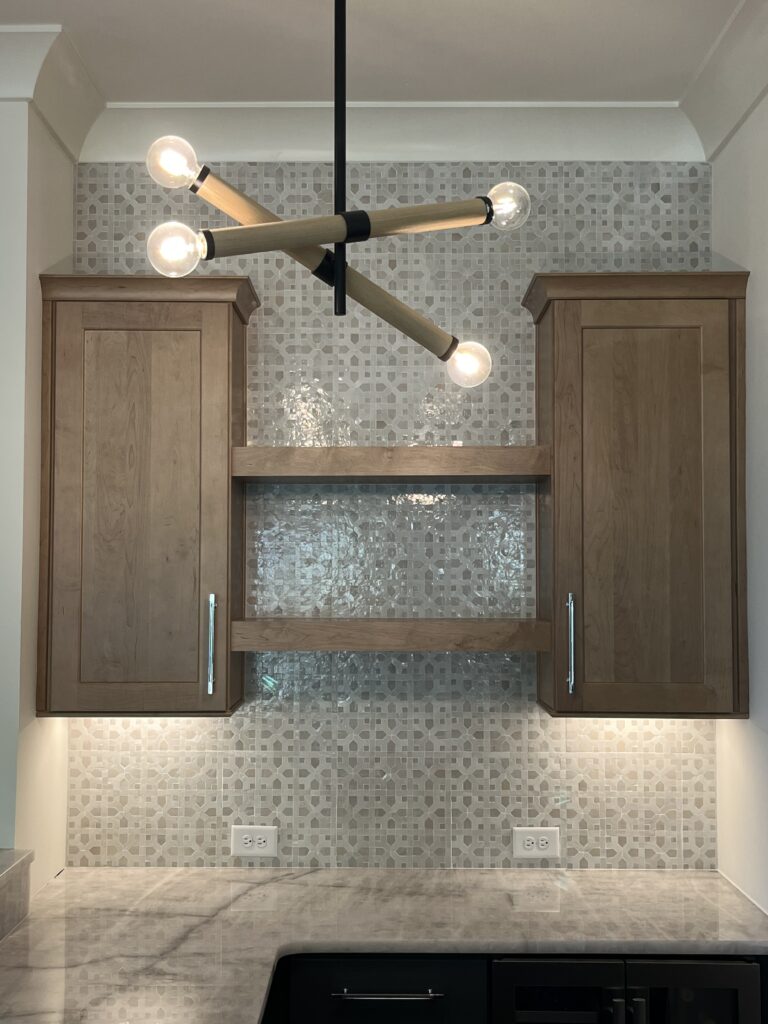
One of the biggest trends I’m installing in 2026 is textured tiles that create visual interest through dimension rather than color. These tiles catch light beautifully and add sophistication without feeling trendy or dated.
Three-dimensional wave patterns, geometric reliefs, and handcrafted textures work particularly well in Tennessee homes with good natural light. The shadows and highlights change throughout the day, creating a dynamic backdrop that never feels boring.
From an installation perspective, these tiles require more precision and skill. The dimensional aspects need to align perfectly, or the installation looks sloppy. This is definitely an area where professional tile installer expertise makes a visible difference in the final result.
Colors and Finishes That Actually Work in Tennessee Homes
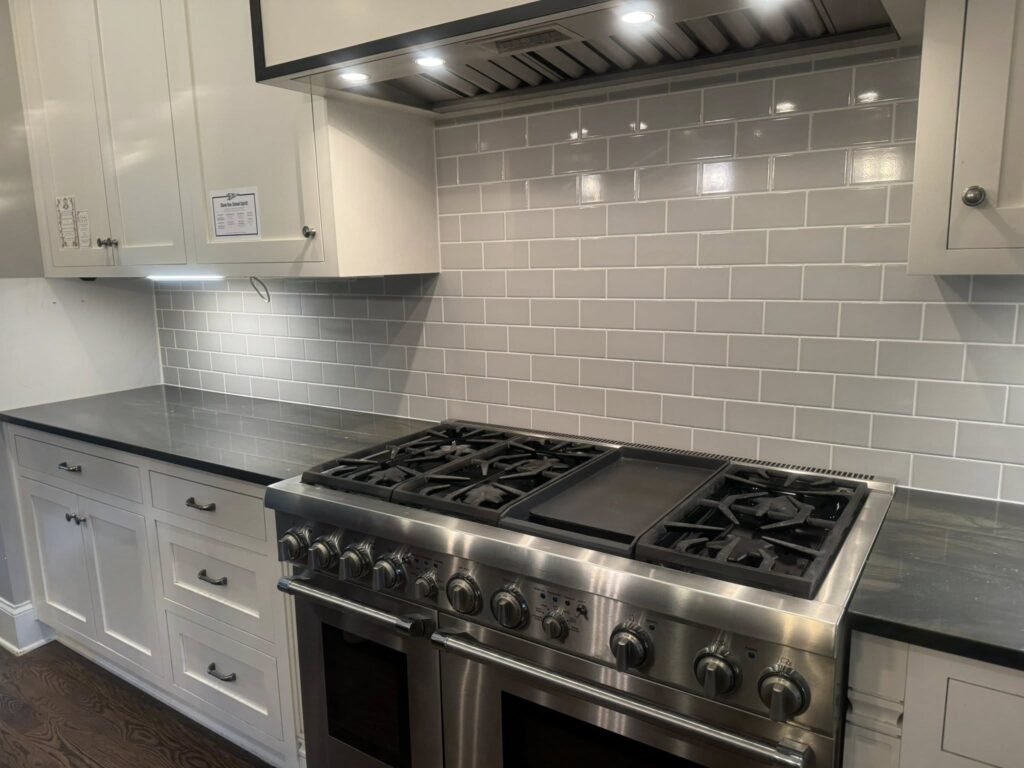
Color selection causes more anxiety than almost any other decision in the backsplash process. I’ve talked countless homeowners through this choice, and I’ve learned what actually works in our regional context.
Warm Neutrals: The Safe Bet That Never Disappoints
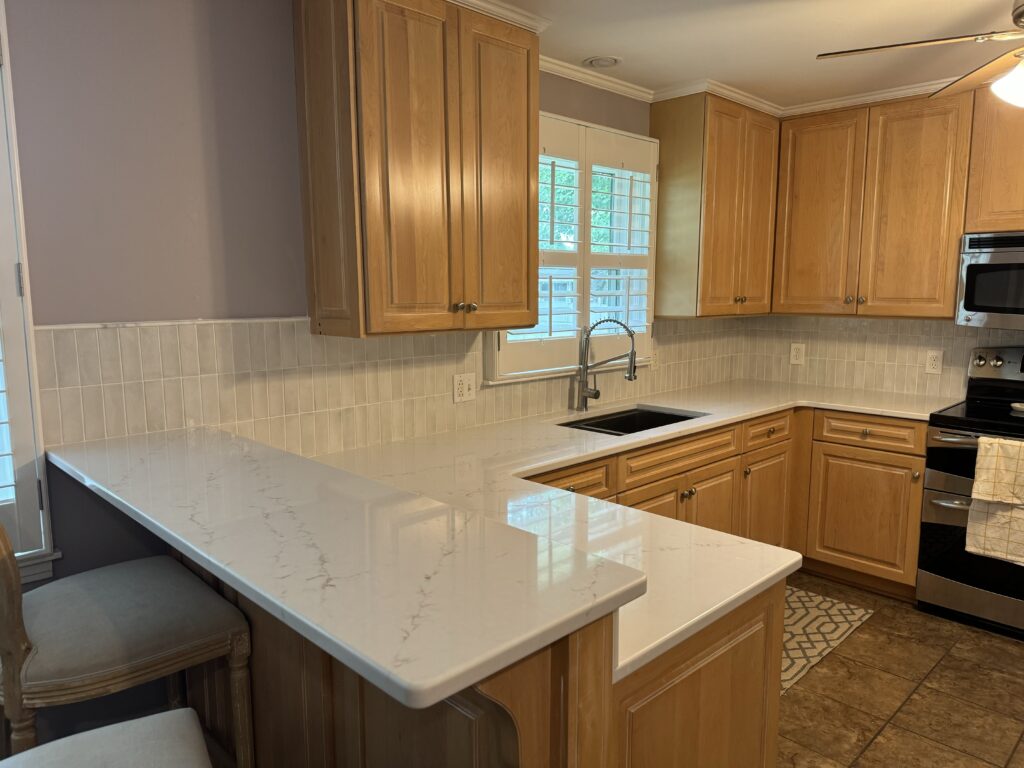
The shift toward warm neutrals reflects Tennessee’s aesthetic heritage and our connection to the natural landscape. Creams, beiges, warm grays, and taupe tones complement the wood elements common in our homes and coordinate with the earth tones visible through our windows.
These colors provide a sophisticated backdrop that won’t compete with your countertops, cabinetry, or the beautiful changing seasons visible through your kitchen windows. They’re sophisticated without being stark, and warm without being dated.
I guide homeowners toward neutrals with subtle variation—not perfectly uniform color. The slight variation adds interest and forgiveness, hiding the occasional splatter or watermark between cleanings.
Classic Whites: Updated But Not Outdated
White backsplashes remain incredibly popular, but the whites I’m installing in 2026 have more depth than the stark whites from previous years. Soft whites, creams, and off-whites with warm undertones create a fresh look that doesn’t feel cold or sterile.
The finish makes all the difference. Glossy white subway tiles reflect light and make kitchens feel larger, while matte white tiles create a sophisticated, contemporary appearance that hides water spots better.
Tennessee’s natural light affects how white appears throughout the day. I always recommend looking at samples in your actual kitchen at different times before committing, because what looks perfect at 10 AM might feel too cool or too warm at 6 PM.
Strategic Accent Colors: Less Is More
When homeowners want color, I encourage strategic placement rather than full-coverage color backsplashes. A colored accent strip, a decorative border, or a small section behind the range can provide personality without overwhelming the space.
Blues and greens inspired by Tennessee’s rivers and forests work beautifully as accents. These colors feel connected to our regional identity without screaming “trend” the way some bolder choices might.
As a professional tile installer TN, I’ve learned that most homeowners tire of bold color faster than they expect. A neutral foundation with removable colorful accessories gives you flexibility as your tastes evolve.
Matte vs. Glossy: The Practical Implications
The finish you choose affects both appearance and maintenance more than most people realize. Glossy finishes reflect light beautifully and make small kitchens feel more spacious, but they also show every water spot and fingerprint.
Matte and satin finishes have become increasingly popular because they hide the everyday evidence of kitchen use. You still need to clean them, but they don’t broadcast every splatter between wipe-downs.
I often recommend glossy for visual impact in areas away from the sink, and matte or textured tiles in the heavy-use zones. This combination gives you the best of both worlds—beauty and practicality.
Layout Patterns That Add Character Without Overwhelming Your Kitchen
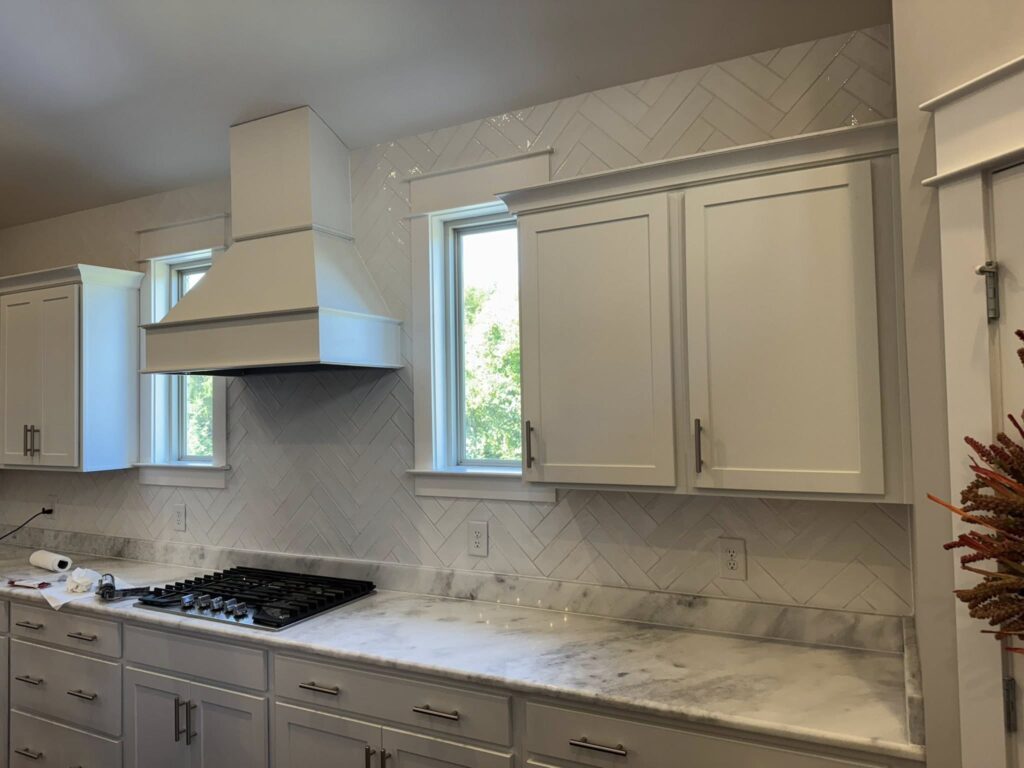
Pattern selection can make or break your backsplash, regardless of how beautiful your tile material is. I’ve installed enough backsplash installation Tennessee projects to know which layouts stand the test of time.
Classic Subway Patterns and Their Endless Variations
The running bond subway pattern remains the most popular layout I install, and for good reason. It’s timeless, it works with virtually any kitchen style, and it never feels dated.
But we’re not just doing basic horizontal running bond anymore. Vertical subway layouts create the illusion of higher ceilings, while herringbone patterns add sophistication without overwhelming the space.
Large-Format Tiles: When Bigger Actually Is Better
Large-format tiles (12×24 inches and larger) create a sleek, contemporary look with fewer grout lines. I’m installing these frequently in modern Tennessee kitchens where homeowners want clean lines and minimal visual interruption.
The practical advantage is easier cleaning—fewer grout lines mean less maintenance. But these tiles require perfectly flat walls, or every imperfection will be visible.
I don’t recommend large-format tiles for every kitchen. In smaller spaces or with traditional cabinetry, they can feel disproportionate and out of place.
Geometric and Modern Patterns Done Right
Geometric patterns like hexagons, arabesques, and zellige-style tiles add contemporary flair when used thoughtfully. The key word is “thoughtfully”—these patterns work best as focal points rather than full-coverage installations.
I often install geometric tiles in a featured section behind the range, with simpler tiles elsewhere. This creates visual interest without making the kitchen feel busy or overwhelming.
From an installation perspective, geometric patterns require precise planning and execution. Each tile placement affects the overall pattern, and there’s no room for eyeballing measurements.
Mixed Materials and Mosaic Accents
Combining materials—like a stone field tile with a glass mosaic accent strip—creates custom looks without custom price tags. These combinations add personality and can help bridge different elements in your kitchen.
The trick is restraint. One or two carefully chosen accent elements look intentional and sophisticated. Three or more often look confused and busy.
Kitchen tile installation Columbia Tennessee projects that feature mixed materials require extra planning to ensure all materials have compatible thickness and installation requirements. This is another area where professional expertise prevents expensive mistakes.
How Do You Choose the Right Backsplash for Your Kitchen Style?
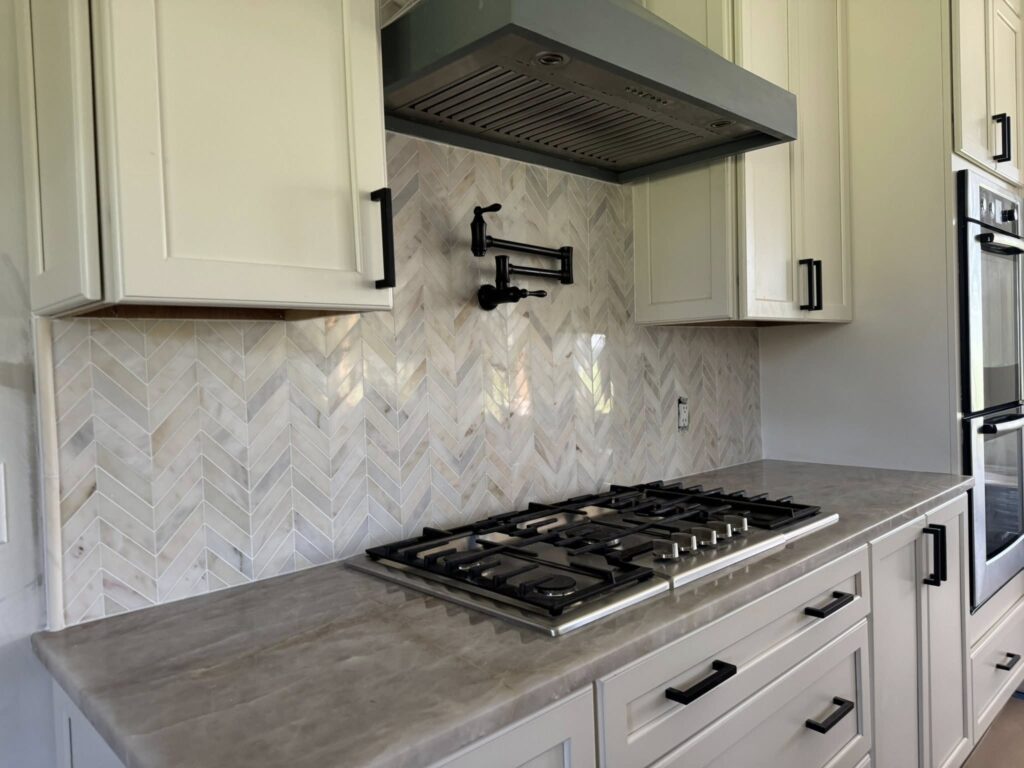
Your backsplash should complement your overall kitchen aesthetic, not fight against it. Let me walk you through how I approach selection for different kitchen styles common in Tennessee homes.
Modern and Contemporary Tennessee Kitchens
Modern kitchens benefit from clean lines, minimal grout lines, and sleek materials. Large-format porcelain, glass tiles, or slab-style backsplashes work beautifully in these spaces.
Color palettes tend toward neutrals—grays, whites, blacks, and earth tones. The focus is on material quality and precise installation rather than decorative pattern.
I’m seeing more homeowners choose matte finishes in modern kitchens, moving away from the ultra-glossy look that dominated for years. The matte finish feels more sophisticated and less dated.
Traditional and Classic Kitchen Aesthetics
Traditional kitchens call for classic materials and layouts that honor historical design principles. Subway tiles in running bond, natural stone, or tumbled marble create the right feeling.
These kitchens often feature warmer color palettes—creams, beiges, and warm whites. The backsplash should enhance the classic millwork and traditional cabinetry, not compete with it.
Detailed trim work, decorative borders, or chair rail-style transitions add traditional detail that feels appropriate to the style. These elements require skilled installation to execute properly.
Farmhouse and Rustic Styles Popular in Tennessee
Farmhouse kitchens remain incredibly popular throughout Tennessee, and the backsplash plays a crucial role in establishing that aesthetic. White subway tile is the classic choice, but textured tiles or reclaimed-look materials work beautifully too.
The grout color matters significantly in farmhouse kitchens. Contrasting grout (like white tile with gray grout) adds farmhouse charm, while matching grout creates a more subtle look.
I often install backsplashes that extend to the ceiling in farmhouse kitchens, creating that open, airy feeling characteristic of the style. This also showcases beautiful materials like shiplap-style tile or brick veneer.
Transitional Kitchens: Bridging Different Design Elements
Transitional kitchens blend traditional and contemporary elements, and the backsplash needs to bridge both aesthetics successfully. This requires thoughtful material and pattern selection.
Subway tiles in updated layouts (like herringbone or vertical stack) work well, as do classic materials in contemporary colors. The goal is familiar materials used in fresh ways.
These kitchens give you the most flexibility, but they also require the most careful planning. The backsplash often serves as the element that ties together contrasting cabinet styles or different finishes.
What Homeowners Need to Know About Grout Before Installation
Grout decisions have enormous impact on your backsplash’s final appearance and long-term maintenance. I spend significant time on this conversation during every consultation because getting it wrong affects everything.
Grout Color Selection Changes Everything
The grout color you choose can completely transform how your tile looks. Matching grout creates a seamless, monochromatic appearance that emphasizes the tile material. Contrasting grout highlights the pattern and individual tile shape.
I typically recommend grout that’s slightly darker than your tile. This hides dirt better than pure white grout while still looking clean and intentional.
The trend toward gray grout reflects its practical advantages. It shows less discoloration over time, works with almost any tile color, and provides subtle definition without harsh contrast.
Grout Width Considerations for Different Tiles
Grout joint width affects both appearance and installation quality. Larger tiles can accommodate wider grout lines, which actually make installation more forgiving and hide minor imperfections in wall flatness.
Smaller tiles like mosaics require smaller grout lines for proper visual proportions. However, very tight grout lines (less than 1/8 inch) are difficult to fill properly and may not provide adequate structural support.
As tile installation services Tennessee professionals, we recommend grout widths based on tile size, layout pattern, and installation surface conditions. These technical considerations prevent future problems.
Epoxy vs. Standard Grout: Making the Right Choice
Epoxy grout costs more and requires more installation skill, but it offers significant advantages for kitchen backsplashes. It’s virtually stain-proof, doesn’t require sealing, and resists moisture better than standard grout.
Standard cement-based grout costs less and is easier to work with, but requires periodic sealing and is more susceptible to staining. For backsplashes (which see less moisture than showers), standard grout often performs perfectly well with proper sealing.
I help homeowners make this decision based on their budget, maintenance preferences, and tile selection. There’s not always a clear “right” answer—it depends on your specific priorities.
Sealing Requirements and Long-Term Maintenance Reality
Standard grout requires sealing after installation and periodic resealing (typically annually). This isn’t optional—unsealed grout will stain, discolor, and potentially harbor bacteria.
The sealing process is straightforward, and I provide clear instructions for every kitchen tile installer TN project I complete. It takes about 30 minutes once a year and dramatically extends your backsplash’s life and appearance.
Epoxy grout and certain pre-sealed grouts don’t require sealing, which appeals to homeowners who know they won’t stay on top of maintenance tasks. This is worth the upfront investment for many busy families.
The Backsplash Height Question: What Works Best in 2026
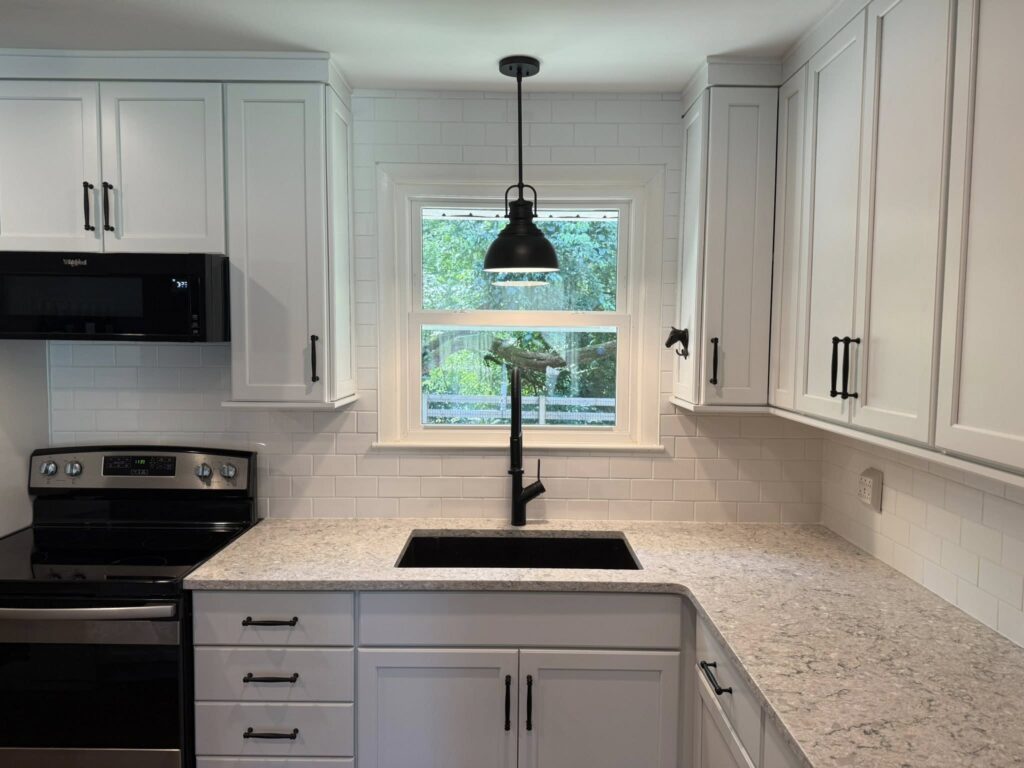
Backsplash height dramatically affects both cost and visual impact. I’m seeing more variety in height choices as homeowners get more adventurous with their designs.
Standard Height vs. Full-Wall Backsplashes
Traditional backsplash height runs from the countertop to the bottom of the wall cabinets, typically 18-20 inches. This remains the most common and most practical choice for many kitchen backsplash Tennessee installations.
Full-height backsplashes that extend to the ceiling create dramatic impact and make ceilings feel higher. They work particularly well in kitchens with limited upper cabinet space or windows.
The cost difference is significant—full-height installations can double or triple your material and labor costs. But for the right kitchen, the visual impact justifies the investment.
When to Extend and When to Stop
I recommend full-height backsplashes in specific situations: behind ranges (especially with high-end appliances), in kitchens with 9+ foot ceilings, or where you have large sections of wall without upper cabinets.
Standard-height backsplashes work beautifully in most kitchens—they provide protection, look proportionate, and keep material and labor costs reasonable. The key is choosing a height that balances aesthetics, functionality, and budget for your specific space.
Planning Your Tennessee Kitchen Backsplash in 2026
The best backsplashes combine style, durability, and practicality. In Tennessee, factors like climate, kitchen usage, and long-term value all influence the right material, pattern, and installation method. By considering these elements and consulting a professional tile installer, you can create a backsplash that not only looks stunning but also stands up to daily use for years.
Ready to Upgrade Your Kitchen Backsplash in Tennessee?
If you’re planning a kitchen update in Columbia or anywhere in Tennessee, working with an experienced professional ensures your backsplash is both beautiful and durable.
At Elite Tile and Flooring, we guide homeowners through tile selection, layout planning, grout decisions, and expert installation, so your investment lasts and looks incredible.
Schedule a consultation today to explore backsplash options and design a kitchen that elevates both style and function in your Tennessee home.