
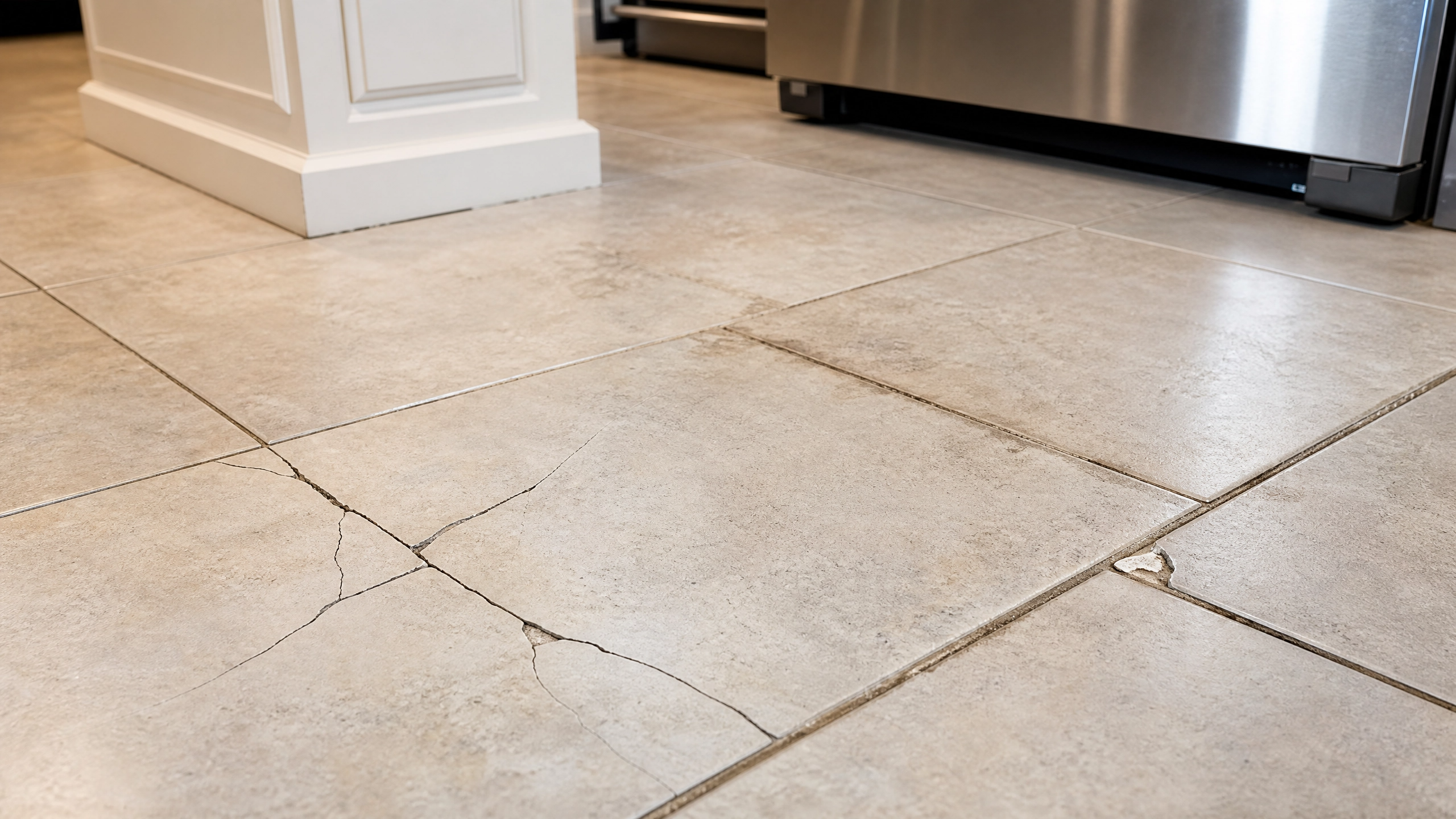
Why Early Detection Is the Most Important Thing You Can Do for Your Floors
I’ve been working as a tile contractor in Tennessee homeowners rely on for years, and one thing I see more than almost anything else is preventable damage that got out of hand. A small crack. A slightly loose tile near the shower base. Something a homeowner noticed but figured wasn’t urgent enough to deal with right away.
Months later, I’m pulling up an entire bathroom floor because moisture crept under that crack and quietly destroyed the subfloor underneath.
That’s the reality of tile damage — what you see on the surface is rarely the whole story. In this article, I’m going to walk you through the warning signs to watch for, why Tennessee’s climate makes things worse, where to check in your home first, and when it’s time to stop inspecting on your own and call a professional.
Why Ignoring Small Tile Problems Always Leads to Bigger Headaches

The Surface Is Just the Beginning
Tile damage is almost never just a cosmetic issue. When you see a crack or a loose tile, that’s usually a symptom of something happening beneath the surface — and that’s where the real cost comes from.
Moisture is the biggest culprit. Once water finds a way through cracked grout or a compromised tile, it starts working on the underlayment and subfloor. By the time you notice soft spots, staining, or odor, the damage is often already significant.
Tennessee’s Climate Speeds Things Up
Here’s something a lot of homeowners don’t think about: Tennessee’s hot, humid summers and cooler winters create a constant cycle of expansion and contraction in flooring materials. That movement, repeated season after season, puts stress on grout lines and tile bonds in ways that accelerate wear.
I always tell homeowners that investing in professional tile flooring services Tennessee-wide is a fraction of the cost compared to waiting until moisture damage has worked its way into your subfloor or wall framing.
Why is tile damage so expensive to fix?
- Moisture damage spreads silently beneath the surface before it becomes visible
- Subfloor repairs or replacements add significant labor and material costs
- Delayed repairs often require removing and replacing surrounding tiles that weren’t originally damaged
- Water damage can compromise structural components, turning a flooring issue into a larger home repair
The bottom line: the longer you wait, the more expensive the fix becomes.
What Are the Most Common Warning Signs of Tile Damage?
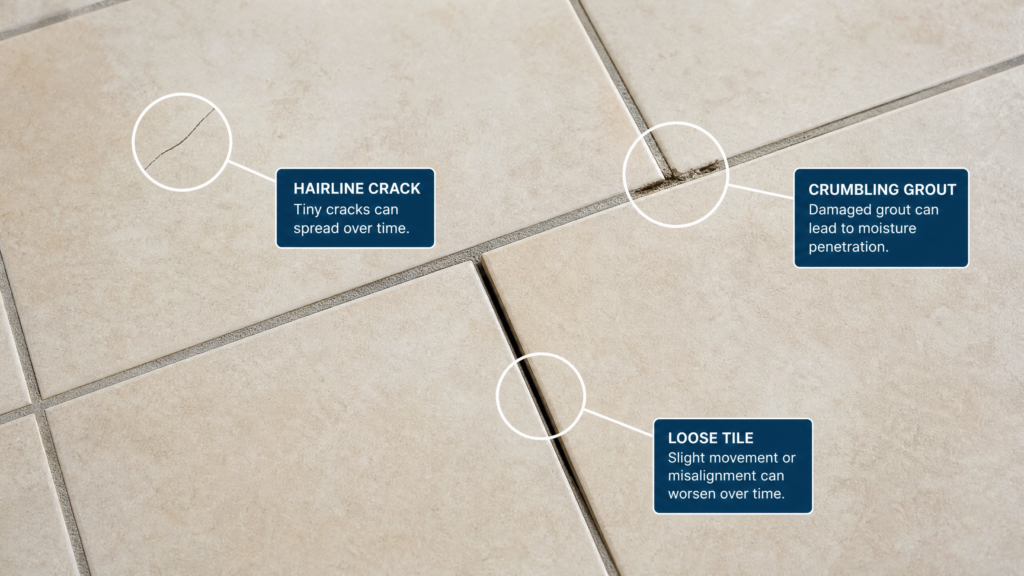
Signs Your Tile Floor Is Telling You Something Is Wrong
This is one of the most common questions I get from homeowners, and it’s a good one. Knowing what to look for can save you a significant amount of money and stress down the road.
What are the signs of damaged floor tiles?
- Cracked or chipped tiles — Even hairline cracks matter, especially in bathrooms and kitchens. A crack that looks minor on the surface can allow water to penetrate directly to the underlayment every time moisture is present.
- Hollow or loose tiles — Try the tap test: knock on individual tiles with your knuckle or a small tool and listen for a hollow sound. A solid, well-bonded tile produces a dense sound. A hollow tone means the adhesive bond has failed and the tile is no longer properly attached to the subfloor.
- Grout deterioration — Crumbling, discolored, or missing grout is one of the earliest signs of tile failure, and it’s one of the most overlooked. Grout acts as a protective seal. Once it starts breaking down, moisture has an open path underneath.
- Uneven or raised tiles — If tiles are no longer sitting flat, that’s often a sign of subfloor movement or moisture swelling beneath the surface. This is a red flag that something more serious is happening below what you can see.
- Staining near grout lines — Persistent dark staining near grout lines, especially around water sources, can indicate mold growth beneath the tile surface.
As a tile installer Tennessee homeowners have trusted for years, I can tell you that grout discoloration near water sources is hands down the most commonly missed early warning sign. It seems minor, but it rarely is.
How Water Damage and Tennessee’s Climate Make Tile Problems Worse
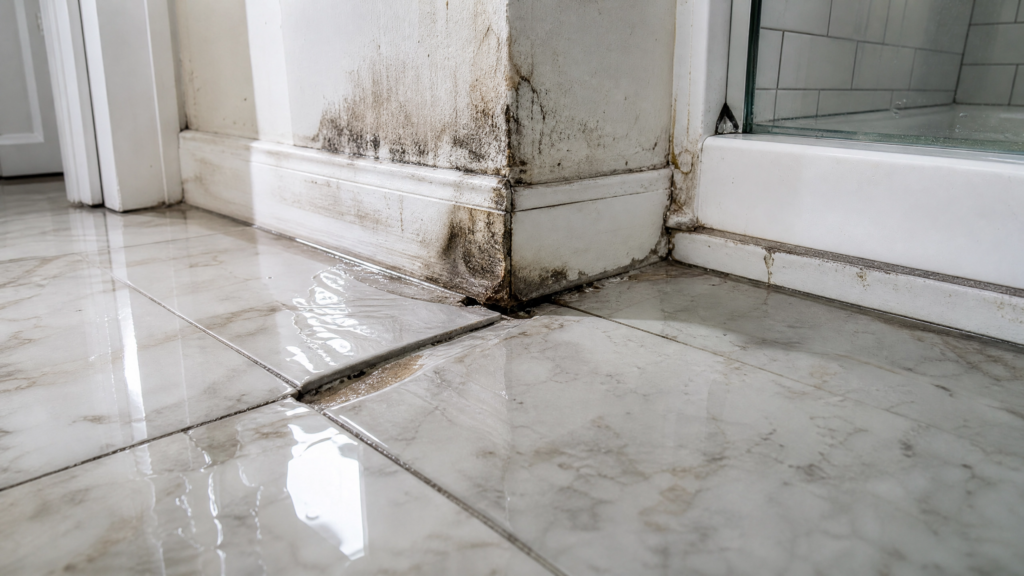
Why Tennessee Homes Face Unique Flooring Challenges
Tennessee’s climate is genuinely tough on flooring. The combination of summer humidity and winter temperature drops creates a push-and-pull effect on tile, grout, and the materials underneath them.
When flooring materials absorb moisture and then dry out repeatedly, the bonds holding everything together gradually weaken. This is especially true in homes with older tile installations that weren’t designed with modern humidity levels in mind.
Improper Installation Makes Climate Exposure Worse
I’ve inspected homes where the original tile work was done without proper moisture barriers or the wrong adhesive was used for the application. When tile installation services Tennessee professionals provide don’t account for regional climate conditions from the start, those floors tend to show wear and failure much sooner than they should.
Bathrooms, laundry rooms, and kitchens in Tennessee homes are particularly vulnerable because they combine high humidity with surfaces that are constantly exposed to direct water contact.
The good news is that proper installation techniques and the right materials can significantly extend the life of your tile floors — even in Tennessee’s demanding climate.
Where in Your Home Should You Check for Tile Damage First?
The Four Highest-Risk Areas Every Tennessee Homeowner Should Inspect
Not all rooms carry the same risk. In my experience, these four areas deserve your attention first:
Bathrooms
This is the highest-risk zone in any home. Constant moisture exposure around the tub surround, shower base, and toilet base creates ideal conditions for grout failure and tile bond deterioration. Check these areas closely every few months.
Kitchen Floors
Heavy foot traffic combined with regular water exposure from spills, dishwasher leaks, and sink splashing makes kitchens a consistent hotspot for grout failure and tile cracking. Pay attention to the area directly in front of the sink and dishwasher.
Entryways and Mudrooms
Dirt, debris, and high foot traffic grind down grout over time and chip tile edges. These areas often get ignored because the damage looks like normal wear rather than a structural problem.
Basements and Laundry Rooms
Ground-level moisture and the occasional appliance leak make these areas especially vulnerable to subfloor-related tile lifting. If you have tile in a laundry room, check the area behind and beside your washer regularly.
As a residential tile contractor Tennessee homeowners work with throughout the year, I always recommend doing a quick visual walkthrough of these four areas every season. It takes fifteen minutes and can save you thousands of dollars.
Is DIY Tile Inspection Enough, or Do You Really Need a Professional?
What You Can Realistically Check on Your Own
There’s a lot a homeowner can do without any special tools. You can visually scan for cracks, chips, and grout deterioration. You can perform the tap test on individual tiles. You can look for discoloration, staining, and uneven surfaces.
These surface-level checks are genuinely useful, and I encourage every homeowner to do them regularly. Catching a few loose tiles early is something you can address quickly and affordably.
What a DIY Inspection Can’t Tell You
Here’s the limitation: you can’t see below the tile surface. You can’t assess the condition of the underlayment or subfloor, identify moisture damage that hasn’t yet broken through to the surface, or evaluate whether the original installation was done correctly.
That’s where working with a tile installation company Tennessee homeowners can count on makes a real difference. A professional inspection goes beyond what’s visible to evaluate the structural integrity of the floor system as a whole.
When should I call a professional about tile damage?
You should call a professional when you notice multiple signs of damage in the same area, when tiles have been loose or cracked for more than a few weeks, or when you suspect moisture may have already reached the subfloor. Catching subfloor damage early through professional eyes is what separates a simple repair from a full floor replacement.
How to Tell the Difference Between a Simple Repair and a Full Replacement
Not Every Tile Problem Requires Starting Over
One of the most common concerns I hear from homeowners is the fear that any tile damage means they’re looking at a complete floor replacement. In many cases, that’s simply not true.
Isolated cracks, a handful of loose tiles, or localized grout failure can often be addressed with targeted repairs. If the damage is contained to a small area and the subfloor is in good condition, a repair is usually the right call.
When Replacement Makes More Sense
There are situations where replacement is actually the more cost-effective long-term decision. Widespread grout failure across the entire floor, multiple lifted or cracked tiles in different areas, visible water staining beneath tiles, or confirmed subfloor damage are all indicators that a full replacement may serve you better.
In my professional experience, when more than 20 to 30 percent of a tile floor shows signs of failure, replacement often costs less in the long run than repeated targeted repairs. A reputable tile and flooring company Tennessee homeowners trust will give you an honest assessment without pushing you toward unnecessary work.
What Happens During a Professional Tile Assessment?
A Step-by-Step Look at What We Actually Do
When I conduct a professional tile assessment, it’s not just a quick glance at the floor. The process involves several layers of evaluation to give you a complete picture of what’s actually happening.
The assessment process typically includes:
- Visual inspection of all tile surfaces, grout lines, and transition areas
- Systematic tap testing across the floor to identify bond failures
- Moisture assessment in high-risk areas
- Subfloor evaluation where access allows
- Review of the installation’s original scope and any known problem areas
Working with a local flooring installation Tennessee team means faster scheduling, quicker response times, and professionals who understand the specific construction styles and climate challenges common to homes in this state.
When homeowners search for flooring contractors near me Tennessee, they’re often looking for someone who knows the area — and that local knowledge genuinely matters when assessing how a home has aged and what solutions will hold up long-term.
How Choosing the Right Flooring Contractor Protects Your Home for Years to Come
What to Look for in a Tennessee Flooring Professional
Choosing a contractor based on price alone is one of the most common mistakes I see homeowners make. The cheapest option upfront often becomes the most expensive decision long-term if the work isn’t done correctly.
When you’re hiring a residential flooring contractor Tennessee homeowners rely on, look for demonstrated experience with your specific tile type, a clear understanding of local building conditions, and a reputation built on honest communication.
Proper installation from the beginning is the single most effective way to prevent early tile damage. Every shortcut taken during installation — wrong adhesive, inadequate moisture barrier, improper subfloor prep — becomes a problem you’ll deal with later.
Considering a Material Change? Expertise Matters There Too
Some homeowners dealing with tile damage use the opportunity to evaluate whether tile is still the right material for their space. If you’re considering switching to hardwood or engineered wood, working with an experienced hardwood flooring installer Tennessee professional ensures that transition is handled correctly for your specific subfloor conditions.
Whether you’re repairing, replacing, or upgrading, the contractor you choose shapes how long your investment lasts.
Don’t Wait Until Small Tile Damage Becomes a Major Repair
The Cost of Waiting Is Always Higher Than the Cost of Acting
The core message I want every Tennessee homeowner to take away from this article is simple: tile damage caught early is manageable. Tile damage ignored becomes a much bigger problem than it ever needed to be.
Watch for cracked tiles, hollow sounds, deteriorating grout, uneven surfaces, and discoloration near water sources. Pay extra attention to bathrooms, kitchens, entryways, and laundry rooms. And remember that Tennessee’s climate puts added stress on your floors season after season.
You don’t have to figure it out alone. As a tile and flooring contractor TN homeowners have worked with across residential and commercial properties throughout Tennessee, helping people get ahead of problems before they grow is exactly what Elite Tile and Flooring LLC is built to do.
Ready to take the next step? If you’ve noticed any of the warning signs covered in this article, or if it’s simply been a while since your floors were professionally evaluated, I’d encourage you to reach out to Elite Tile and Flooring LLC for a professional tile inspection and flooring consultation. There’s no pressure — just honest, experienced guidance to help you understand what your floors actually need and what the most practical path forward looks like.