Why the Right Tile Pattern Changes Everything
When most people think about tile, they focus on color, size, or material. But in my experience as a tile contractor, I’ve found that the creative tile layout you choose often has more impact than the tile itself. A basic ceramic tile can look completely transformed when laid in a herringbone pattern. A standard floor becomes a work of art when you introduce a diagonal or mixed-format design.
The truth is, tile layout is one of the most underutilized design tools available to homeowners. If you’ve been scrolling through inspiration photos wondering why some rooms feel so dynamic and others fall flat, the answer is almost always the pattern. In this article, I’m going to walk you through the most inspiring tile layout ideas I’ve worked with, explain why they work, and help you figure out which one might be right for your space.
What Is a Creative Tile Layout and Why Does It Matter?
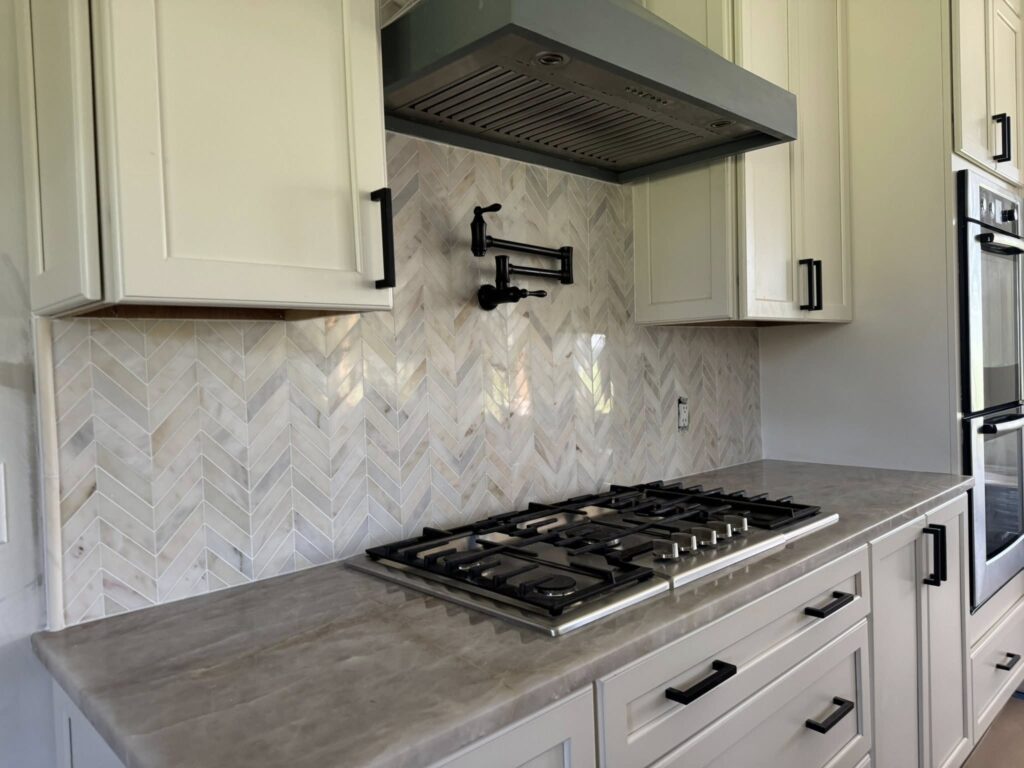
A creative tile layout simply means moving beyond the traditional straight grid pattern to something more intentional and visually interesting. Instead of placing tiles in perfectly aligned rows and columns, you shift, angle, or mix tile sizes to create movement, depth, and personality.
From a design standpoint, the pattern you choose can make a small bathroom feel larger, a hallway feel longer, or a kitchen feel more high-end. It’s one of the most cost-effective ways to elevate a space without spending more on premium materials.
I always tell homeowners: don’t underestimate the power of the pattern. It’s the difference between a room that looks okay and one that stops guests in their tracks.
The Most Popular Creative Tile Layouts Worth Knowing
Herringbone: The Classic That Never Gets Old
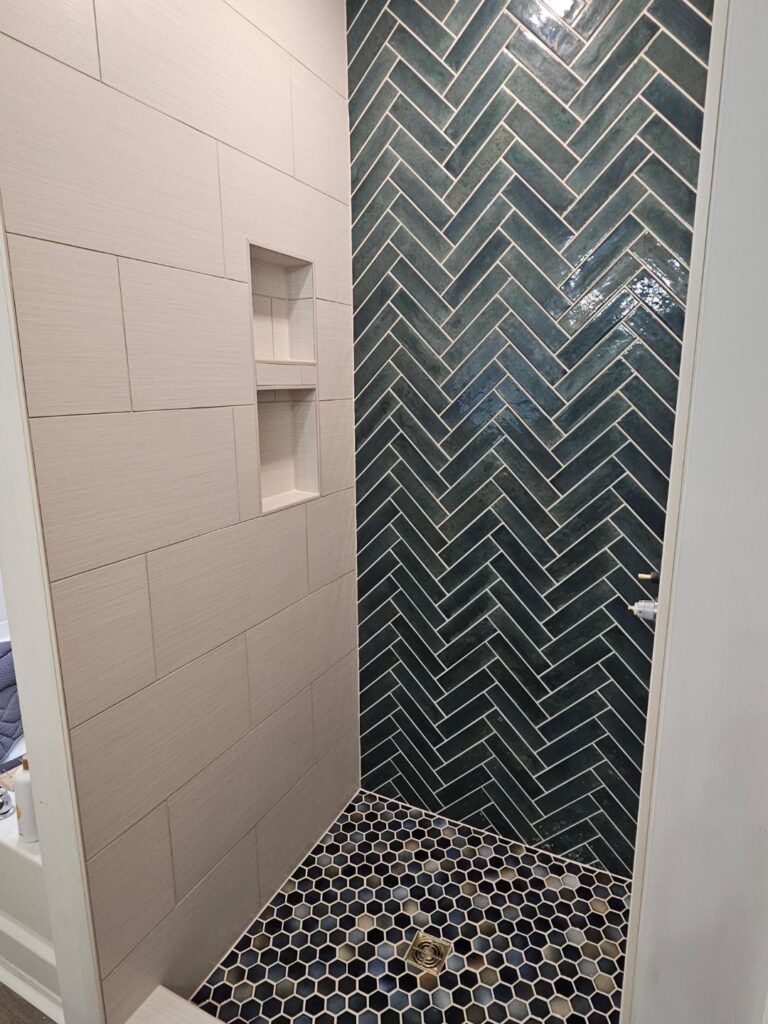
If there’s one tile layout I install more than any other, it’s the herringbone pattern. Herringbone involves placing rectangular tiles at 90-degree angles to each other, creating a V-shaped zigzag that draws the eye across the floor or wall.
It works beautifully in hallways, kitchens, and bathrooms. The interlocking arrangement adds a sense of sophistication without feeling overdone.
One thing I always point out to homeowners is that herringbone requires more precise cuts and installation time than a straight lay. But the finished result is absolutely worth it.
Chevron: Herringbone’s More Dramatic Cousin
Chevron is often confused with herringbone, but there’s a key difference. In a chevron layout, the tiles are cut at an angle so the ends meet perfectly in a continuous zigzag, creating an arrow-like effect.
Chevron feels bolder and more geometric than herringbone. It works especially well in larger spaces where that visual energy has room to breathe.
In my experience, chevron tile patterns tend to be a favorite for open-plan living areas and master bathrooms where homeowners want to make a real statement.
Diagonal Layout: Simple Shift, Big Impact
A diagonal tile layout is one of the easiest ways to transform a room without using a complicated pattern. You simply rotate the standard grid 45 degrees so that the corners of each tile point toward the walls instead of running parallel to them.
This immediately makes the space feel larger and more dynamic. I’ve used diagonal layouts in small bathrooms and tight entryways with great results.
The diagonal approach also pairs well with a contrasting border tile, which frames the room and gives it a finished, tailored look.
Offset or Brick Pattern: Timeless and Versatile
The offset or brick pattern is exactly what it sounds like — tiles staggered like bricks, where each row is shifted halfway. It’s one of the most widely used layouts, and for good reason.
This pattern creates a casual yet polished feel that works in kitchens, laundry rooms, and even outdoor patios. The staggered joints break up the uniformity of a straight lay without adding much complexity.
I typically recommend a one-third offset rather than a full half-brick offset for larger format tiles. This reduces the “lippage” effect and keeps the installation looking clean and professional.
How Mixed-Format Tile Designs Add Depth and Personality
What Is a Mixed-Format Tile Layout?
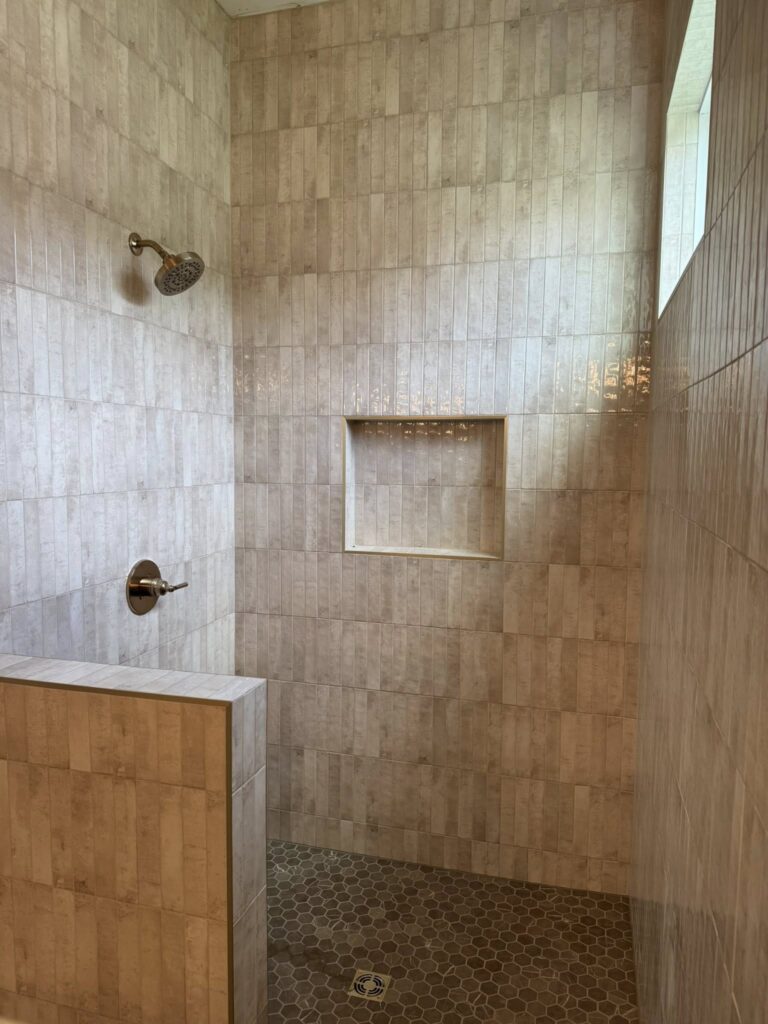
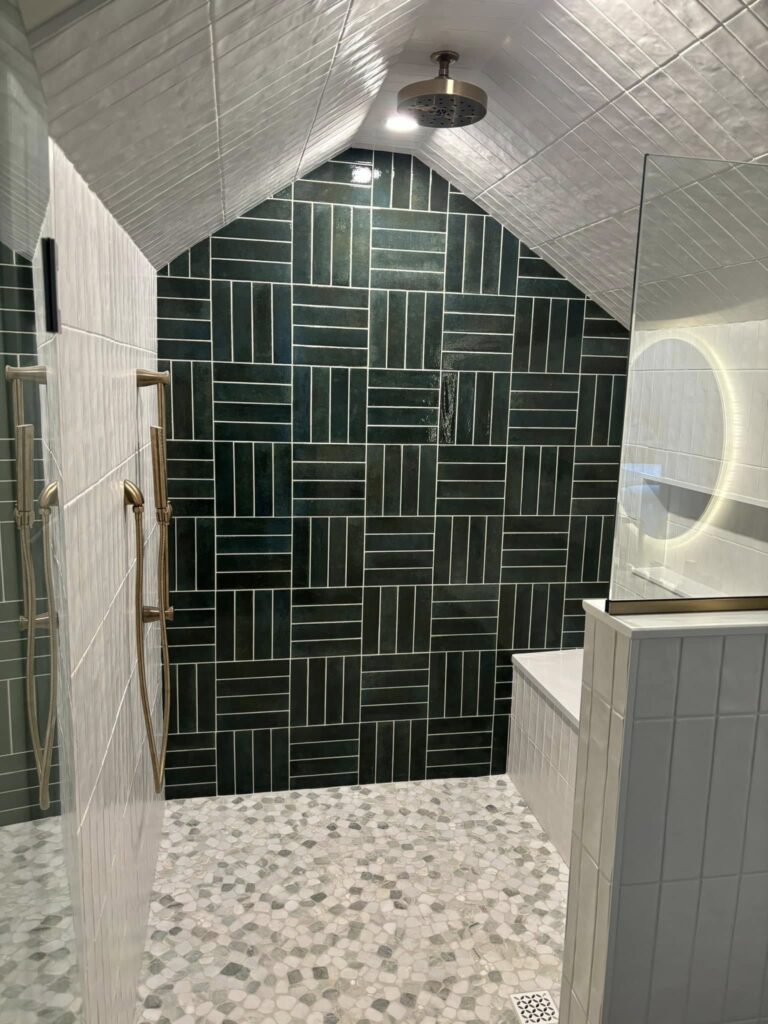
A mixed-format tile layout combines tiles of different sizes within the same design. Common examples include using large square tiles alongside smaller accent tiles, or pairing rectangular subway tiles with hexagonal mosaic inserts.
These layouts require careful planning and a skilled installer, but they create a truly custom look that you simply can’t achieve with a single tile size. They’re especially popular in high-end bathroom renovations and luxury kitchen backsplash designs.
Here are some popular mixed-format combinations I work with often:
- Large format + small square inserts (creates a grid-within-a-grid effect)
- Rectangular subway tiles + hexagon mosaic borders (classic meets contemporary)
- Varying-width planks (adds a natural, wood-like feel to floor tile)
- Patterned encaustic tiles + solid large format tiles (adds visual pop without overwhelming the space)
Why Mixed Formats Work So Well in Modern Design
Mixed-format designs work because they create visual hierarchy. Your eye naturally moves from the larger tile to the smaller detail, which gives the space dimension and interest.
In my years of tile work, I’ve found that homeowners who invest in mixed-format layouts are always the most satisfied with their results. It genuinely feels custom and considered.
The key to pulling it off successfully is planning. Before a single tile goes down, we map out the entire layout on paper or digitally to make sure proportions and transitions work cohesively.
Creative Tile Layouts for Specific Rooms
Kitchen Backsplash Tile Patterns That Elevate the Whole Room
The kitchen backsplash is one of the best places to experiment with creative tile patterns. Because the area is relatively contained, you can use a bold layout without it feeling overwhelming.
Herringbone subway tile is one of my go-to recommendations for kitchen backsplashes. It adds texture and movement while still feeling clean and practical.
For homeowners who want something more unique, a vertical stack bond pattern or a stacked offset in a mixed-color palette can create a striking focal point behind the range or stove.
Bathroom Floor Tile Layouts That Make Small Spaces Feel Larger
In bathrooms, the tile layout has an outsized effect on how the space feels. Small bathrooms especially benefit from diagonal layouts or smaller-format tiles in mosaic or penny tile arrangements.
A diagonal layout opens up the room visually, while a classic hex mosaic floor adds vintage charm and personality. Both approaches make the space feel intentional and well-designed.
I’ve worked on many bathroom renovations where simply changing the tile layout — without changing the tile itself — completely transformed how the room looked and felt.
Entryway and Hallway Tile Ideas That Make a Strong First Impression
Entryways and hallways are often overlooked, but they set the tone for your entire home. A herringbone or chevron pattern running lengthwise down a hallway can make it feel longer and more grand.
Medallion-style tile insets at the entrance are another powerful design move I recommend for homeowners who want to create a memorable first impression.
Even a simple diagonal layout in an entryway shifts the space from ordinary to elevated in a way that guests immediately notice.
Living Room and Open-Plan Floor Tile Patterns
For living rooms and open-plan areas, large-format tiles in an offset pattern are extremely popular right now. They create a sense of flow and continuity across wide expanses of floor.
Mixed plank widths are another trend I’ve been incorporating into open-plan designs. The varying widths mimic natural stone or wood, adding organic movement to the floor.
For spaces that connect multiple rooms, I always advise using a consistent layout direction to maintain visual flow and avoid the choppy feel that can happen when patterns change abruptly between spaces.
How to Choose the Right Tile Layout for Your Space
Questions to Ask Before Picking a Tile Pattern
Choosing the right layout isn’t just about aesthetics. There are practical considerations too. Here are the key questions I walk homeowners through before making a decision:
- What is the size and shape of the room? Diagonal patterns work better in square rooms; linear patterns suit rectangular spaces.
- What size tile are you using? Smaller tiles offer more flexibility with complex patterns; larger tiles are best in simpler layouts.
- What is the style of the home? Traditional homes suit classic patterns like herringbone; contemporary spaces can handle geometric and mixed-format designs.
- How much natural light does the room get? Lighter grout in diagonal or offset patterns can brighten a dim space significantly.
- What is your tolerance for installation complexity and time? Some patterns take significantly longer to install, which affects the overall project timeline.
Does Tile Layout Affect Grout Lines?
Yes, absolutely. The tile layout you choose directly influences the grout line pattern, which becomes a major visual element of the finished design.
A herringbone or chevron pattern creates more grout lines and a more complex visual texture. A large-format straight lay has fewer, cleaner lines and a more seamless look.
I always recommend choosing the grout color deliberately as part of the overall design, not as an afterthought. Contrasting grout can amplify the pattern while matching grout softens it.
Common Mistakes to Avoid With Creative Tile Layouts
Even the most inspiring tile pattern can fall flat if the installation isn’t executed properly. Here are the mistakes I see most often and how to avoid them:
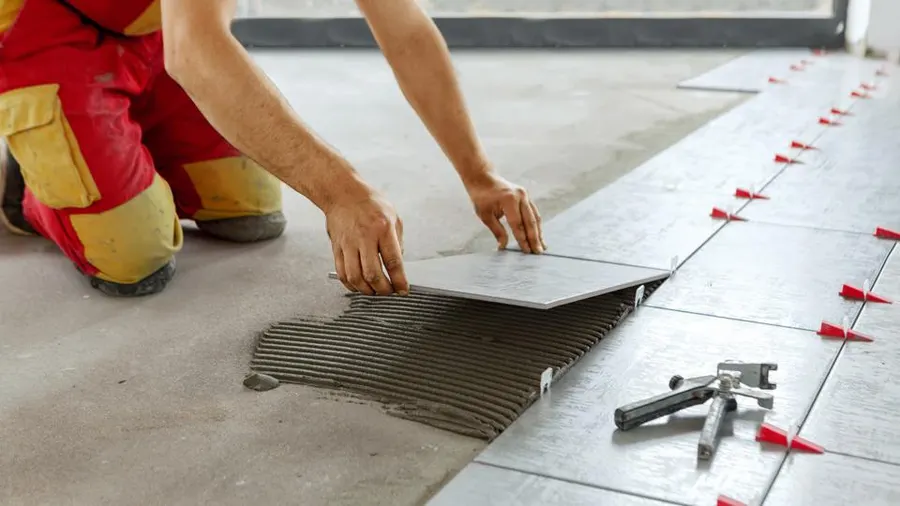
- Not planning the layout before installation — Always dry-lay tiles first to see how the pattern works in the actual space.
- Ignoring the starting point — Where you begin the pattern matters enormously. Starting off-center creates uneven cuts at the edges that look sloppy.
- Choosing a complex pattern for a budget timeline — Intricate layouts take more time and skill. Rushing the process leads to visible errors.
- Using oversized tiles in small spaces without adjustment — Large tiles in tiny rooms can overwhelm. Scale the pattern to the space.
- Forgetting about transitions — Where two tile areas meet, you need a thoughtful transition solution. This is especially important with mixed-format designs.
The Difference Between a Good Tile Job and a Great One
In my career, I’ve seen plenty of technically correct tile installations that were just… forgettable. And I’ve seen thoughtfully planned layouts in modest materials that looked absolutely stunning.
The difference is almost always intention. When you think strategically about the tile layout from the start — not as an afterthought — the results are transformative.
A great tile installation tells a story about the space. It guides the eye, creates atmosphere, and adds a layer of craftsmanship that makes the whole room feel considered and complete.
Let’s Create Something Bold Together
If this article has sparked some ideas for your home, I’d love to help you bring them to life. At Elite Tile and Flooring LLC, creative tile layouts are our specialty. We don’t just install tile — we help you design spaces that genuinely reflect your style and elevate your home.
Whether you’re dreaming of a dramatic herringbone bathroom floor, a mixed-format kitchen backsplash, or a chevron entryway that makes a lasting impression, our team has the expertise and experience to execute it beautifully.
We understand that choosing a tile layout can feel overwhelming. That’s why we walk every homeowner through the process — from initial concept to final installation — making sure every decision is intentional and every detail is right.
Ready to transform your space with a creative tile layout? Contact Elite Tile and Flooring LLC today to schedule your consultation. Let’s look at your space, talk through your vision, and design something you’ll love for years to come.